
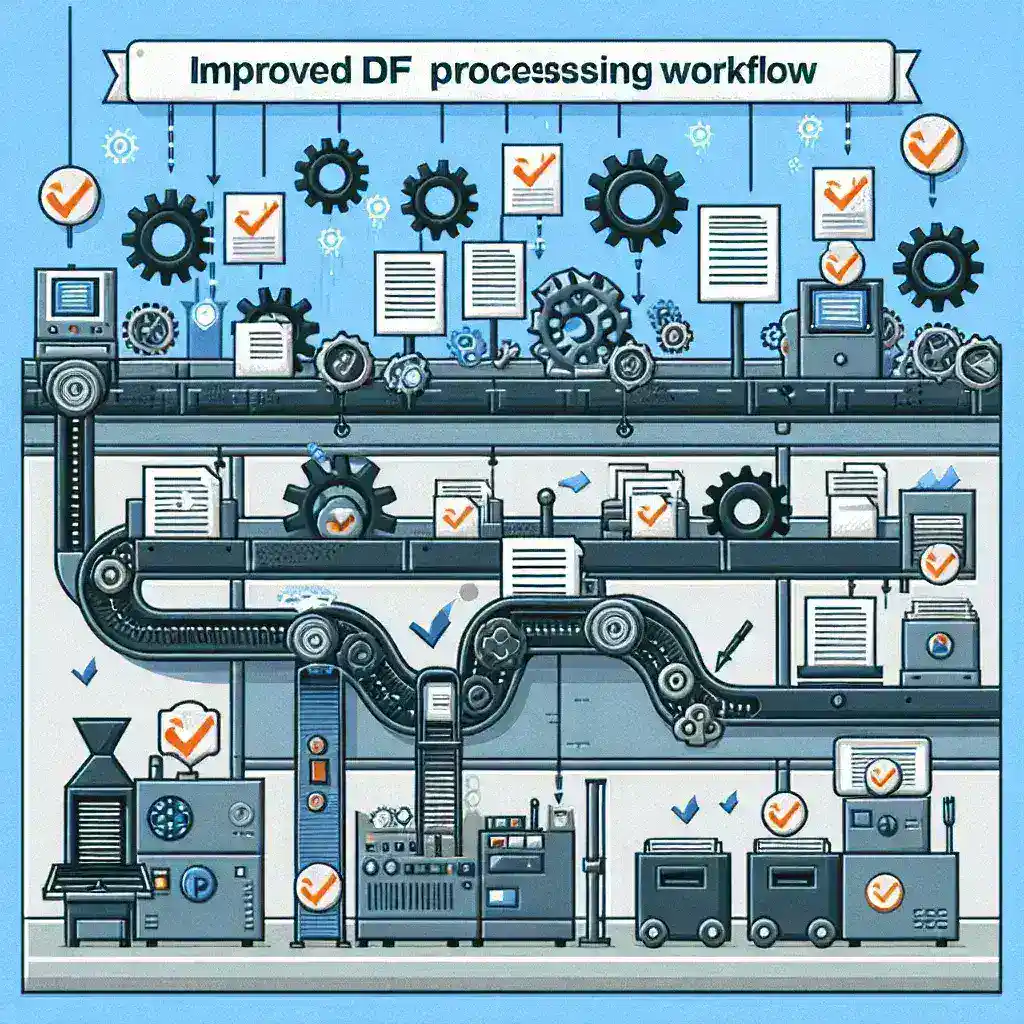
The Critical Need for Efficient PDF Processing
In today’s digital-first business environment, PDF documents remain the backbone of professional communication, legal documentation, and information sharing. Organizations worldwide process millions of PDF files daily, yet many still struggle with inefficient workflows that drain resources and hamper productivity. The evolution from manual PDF handling to automated, streamlined processes has become not just beneficial but essential for competitive advantage.
Modern businesses face unprecedented challenges in document management. From converting scanned documents to searchable text to merging hundreds of files for compliance reports, the complexity of PDF operations continues to grow. Traditional approaches often involve repetitive manual tasks that consume valuable time and introduce human error into critical processes.
Understanding PDF Processing Workflow Challenges
Before diving into solutions, it’s crucial to recognize the common bottlenecks that plague PDF workflows. Many organizations encounter similar pain points that significantly impact their operational efficiency.
Volume and Scale Issues
Enterprise-level document processing often involves thousands of PDFs daily. Manual processing becomes impossible at this scale, creating backlogs that can delay critical business decisions. Organizations need robust solutions capable of handling high-volume operations without compromising quality or accuracy.
Format Inconsistencies
PDFs come in various formats, from text-based documents to image-heavy files and scanned documents. Each type requires different processing approaches, making standardization challenging. Inconsistent formatting can lead to extraction errors and processing failures.
Security and Compliance Requirements
Many industries must maintain strict security protocols and compliance standards when handling sensitive documents. PDF processing tools must incorporate robust security measures while maintaining processing efficiency.
Essential Categories of PDF Processing Tools
The modern toolkit for PDF workflow improvement spans several categories, each addressing specific aspects of document processing challenges.
Optical Character Recognition (OCR) Solutions
OCR technology transforms scanned documents and images into searchable, editable text. Advanced OCR tools now offer remarkable accuracy rates, often exceeding 99% for high-quality documents. These solutions are particularly valuable for organizations digitizing legacy documents or processing invoices, contracts, and forms.
Leading OCR platforms integrate machine learning algorithms that continuously improve recognition accuracy. They can handle multiple languages, various fonts, and even handwritten text with increasing sophistication.
Automation and Workflow Orchestration
Workflow automation tools eliminate repetitive manual tasks by creating intelligent processing pipelines. These solutions can automatically route documents, apply transformations, extract specific data points, and trigger downstream processes based on content analysis.
Modern automation platforms offer visual workflow builders that allow non-technical users to create sophisticated processing chains. They can integrate with existing business systems, ensuring seamless data flow across organizational boundaries.
Data Extraction and Analytics
Intelligent data extraction tools go beyond simple text recognition to understand document structure and context. They can identify tables, forms, headers, and specific data fields, extracting relevant information for further processing or analysis.
Advanced extraction tools use artificial intelligence to learn from document patterns, improving accuracy over time. They can handle complex documents like financial statements, legal contracts, and technical specifications with minimal human intervention.
Cloud-Based vs. On-Premise Solutions
The choice between cloud-based and on-premise PDF processing tools significantly impacts implementation, scalability, and long-term costs.
Cloud-Based Advantages
Cloud solutions offer immediate scalability, reduced infrastructure costs, and access to cutting-edge AI capabilities. They enable remote collaboration and provide automatic updates without requiring internal IT resources. Cloud platforms typically offer pay-as-you-use pricing models that align costs with actual usage.
On-Premise Considerations
Organizations with strict data residency requirements or highly sensitive documents may prefer on-premise solutions. These provide complete control over data processing and security but require significant upfront investment and ongoing maintenance.
Integration Strategies for Maximum Efficiency
Successful PDF workflow improvement requires seamless integration with existing business systems. Modern tools offer extensive API capabilities and pre-built connectors for popular enterprise applications.
Enterprise Resource Planning (ERP) Integration
Connecting PDF processing tools with ERP systems enables automatic invoice processing, purchase order handling, and financial document management. This integration eliminates manual data entry and reduces processing errors.
Customer Relationship Management (CRM) Connectivity
Integrating PDF workflows with CRM systems ensures that customer documents are automatically processed, categorized, and attached to relevant customer records. This improves customer service response times and maintains comprehensive customer histories.
Measuring Success and ROI
Implementing PDF processing improvements requires clear metrics to measure success and justify investment. Organizations should track processing time reduction, error rate improvements, and cost savings.
Key Performance Indicators
Essential metrics include document processing speed, accuracy rates, user satisfaction scores, and system uptime. Baseline measurements before implementation provide crucial comparison points for evaluating improvement.
Cost-Benefit Analysis
Successful implementations typically show significant returns through reduced labor costs, improved accuracy, and faster processing times. Many organizations report ROI within six to twelve months of implementation.
Future Trends in PDF Processing
The PDF processing landscape continues evolving with advances in artificial intelligence, machine learning, and cloud computing. Emerging trends include real-time processing capabilities, enhanced mobile support, and improved integration with collaboration platforms.
Artificial Intelligence Integration
AI-powered tools are becoming increasingly sophisticated in understanding document context, identifying anomalies, and making intelligent processing decisions. These capabilities will continue expanding, offering even greater automation potential.
Mobile-First Approaches
As remote work becomes standard, mobile-optimized PDF processing tools are gaining importance. These solutions enable field workers and remote employees to process documents efficiently from any location.
Implementation Best Practices
Successful PDF workflow improvement requires careful planning, stakeholder engagement, and phased implementation approaches.
Pilot Program Development
Starting with a limited pilot program allows organizations to test tools, refine processes, and build user confidence before full-scale deployment. Pilot programs should focus on high-impact, low-risk document types.
User Training and Change Management
Comprehensive training programs ensure users can effectively leverage new tools and processes. Change management strategies help overcome resistance and encourage adoption across the organization.
Security and Compliance Considerations
PDF processing tools must maintain robust security measures while meeting industry-specific compliance requirements. This includes data encryption, access controls, audit trails, and secure disposal of processed documents.
Organizations should evaluate tools based on their security certifications, compliance features, and ability to maintain data privacy throughout the processing lifecycle.
Conclusion: Building Efficient PDF Workflows
Improving PDF processing workflows requires a strategic approach that combines the right tools, integration strategies, and implementation practices. Organizations that invest in modern PDF processing solutions typically see significant improvements in efficiency, accuracy, and cost-effectiveness.
The key to success lies in understanding specific organizational needs, evaluating available tools comprehensively, and implementing solutions that integrate seamlessly with existing business processes. As PDF processing technology continues advancing, organizations that embrace these improvements will maintain competitive advantages in an increasingly digital business environment.